Redeemer’s University recognises that access to sufficient, nutritious and affordable food is essential to student well-being, academic participation and staff welfare. In keeping with Sustainable Development Goal 2 (SDG 2): Zero Hunger, the university combines targeted support for students experiencing financial hardship with accessible campus food services, sustainable food choices, locally grown produce and staff welfare initiatives. Together, these measures are intended to reduce the risk of hunger among members of the university community and support their everyday food security.
At a Glance
- Students experiencing financial hardship can be identified through university support and referral channels and connected with scholarship and meal assistance.
- Eligible students receive university-funded meals at midday and in the evening, with the flexibility to use participating campus restaurants.
- Vegetarian and vegan meal options are available across campus food outlets, alongside staple foods and vegetables.
- Campus food outlets offer subsidised meals to students and staff, while the university greenhouse contributes locally grown produce.
- Staff food-security support includes access to subsidised produce, a cooperative food-sharing initiative and a university welfare allowance.
Addressing Student Food Insecurity through Targeted Identification and Support
Food insecurity is not simply a question of whether meals are available; it is also a matter of access, affordability and dignity. For students facing financial hardship, uncertainty about the next meal can affect well-being and participation in university life. Redeemer’s University responds by linking discreet identification and referral routes with practical support through established campus services.
Redeemer’s University addresses student food insecurity through an established network for identifying students who may struggle to afford regular meals. This approach recognises that financial hardship can affect a student’s ability to access sufficient food and remain fully engaged in university life. Hostel chapel leaders, selected through a formal process involving students and the university, are assigned to hostel blocks. In addition to their spiritual responsibilities, they identify students experiencing financial difficulties and refer concerns to the Department of Chaplaincy and Counselling. Students may also seek support through their churches, providing a letter from their pastor describing their financial circumstances. Where students approach the university through other channels, lecturers assist in verifying their need. These routes help the university recognise food insecurity that might otherwise remain hidden and connect eligible students with the assistance available to them.
During the 2024/2025 academic session, this identification and verification approach supported students from low-income households through scholarship assistance and university-funded meals. Eligible beneficiaries could obtain meals at midday and in the evening and choose among participating campus restaurants. Providing regular access to prepared food helps reduce the immediate pressure of hunger, allowing students to devote greater attention to their studies and well-being. The meal assistance is therefore more than a general scholarship benefit: it is a direct intervention designed to help students who may otherwise be at risk of food insecurity.
Sustainable Food Choices on Campus

Redeemer’s University promotes access to sustainable food choices across its campus food outlets. Vegetarian and vegan options are available, with meals prepared separately from other dishes and identified for students. Familiar staples such as porridge, rice, beans and vegetables broaden the range of choices available to students and staff, including those who prefer plant-based meals. Making these choices available across campus allows members of the university community to select foods that reflect their dietary needs and preferences. This approach supports the university’s wider commitment to accessible food provision while recognising the importance of varied diets and responsible food choices.
The university’s network of cafeterias and food booths makes prepared food accessible at different points across campus. Campus menus reflect familiar Nigerian food traditions and offer a choice of staple dishes, vegetables and plant-based options. Together with produce grown locally in the university greenhouse, these food services connect everyday meal provision with dietary choice and campus food sustainability.
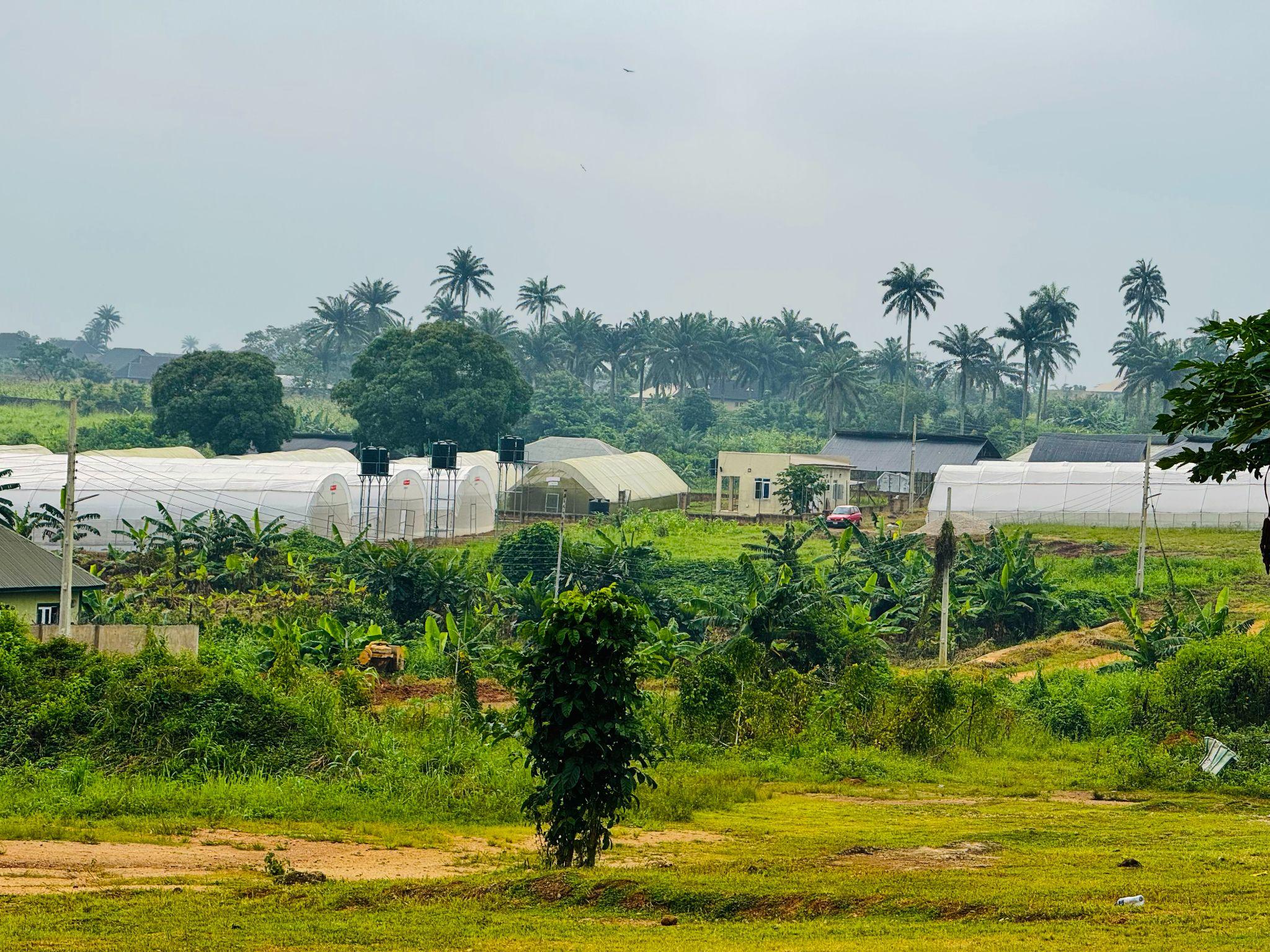
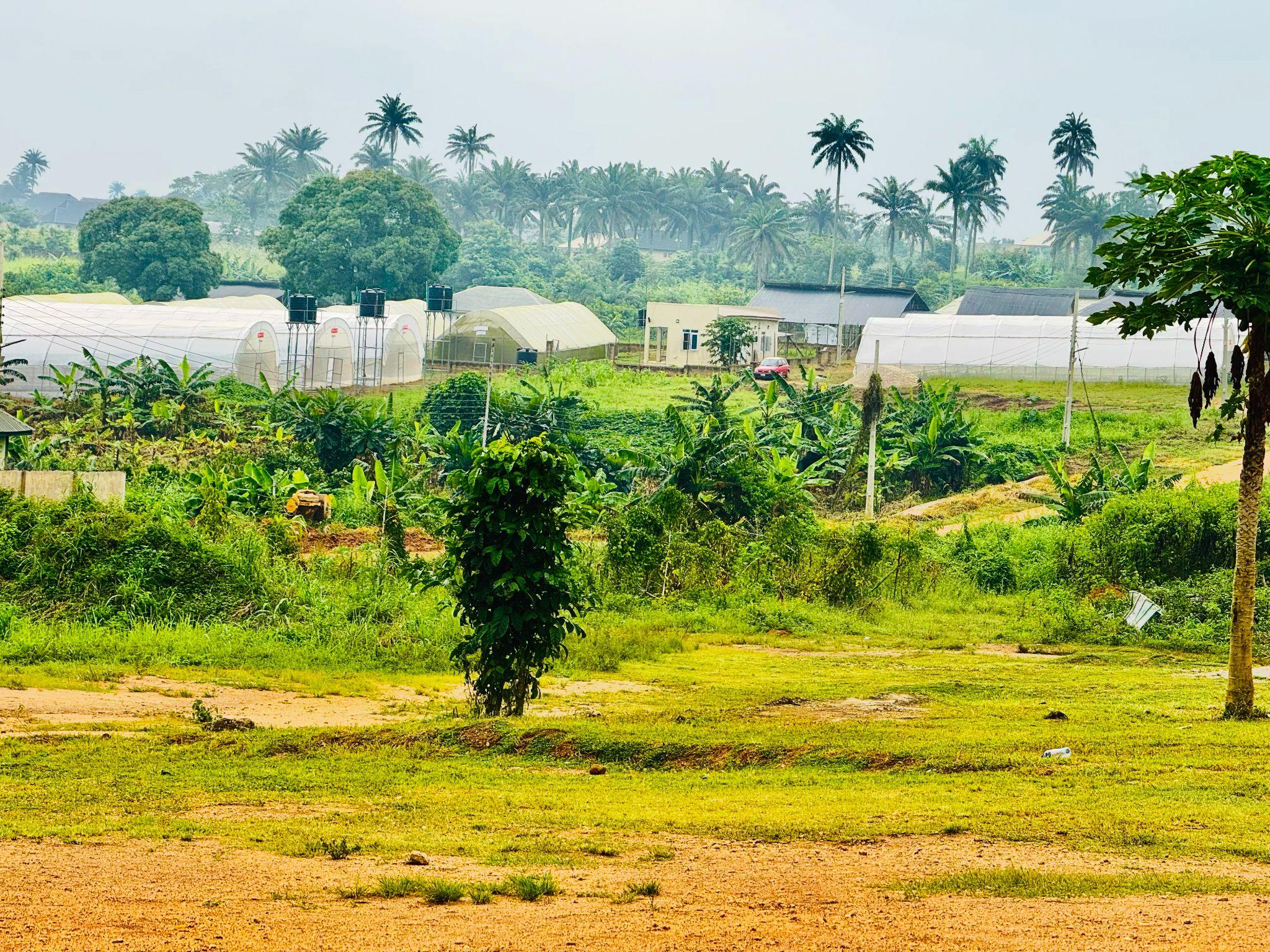
The university’s greenhouse strengthens this approach by growing tomatoes, cucumbers, peppers and other vegetables on campus. Produce from the greenhouse contributes to the supply of fresh ingredients for campus food outlets, linking local food production with everyday access to meals. The greenhouse also provides a visible example of how campus agricultural resources can contribute to food availability and more locally sourced food options.
Healthy and affordable food provision is especially important in a residential learning environment. The availability of prepared meals across campus gives students and staff practical options for eating regularly, while subsidised prices can reduce the burden of food expenditure. Food access is therefore treated as part of daily student welfare, not merely as a commercial service.
Promoting Healthy and Affordable Food Choices across Campus

Redeemer’s University seeks to make healthy and affordable food choices accessible to students and staff through its campus food outlets. Subsidised cooked meals help reduce the cost of eating on campus, which is especially important for students whose financial circumstances limit their options. Because students are not permitted to cook in their accommodation, access to prepared meals through university food outlets is a central part of daily campus life. Affordability is complemented by the availability of different food types, including beans, vegetables, porridge and other staple foods, as well as vegetarian and vegan dishes. Fresh vegetables grown in the university greenhouse further contribute to the range of ingredients available. Together, these options help students and staff make food choices based not only on price, but also on dietary preference and nutritional variety. The university also makes raw produce available to staff at subsidised prices, including vegetables and protein sources. By combining subsidised prepared meals with access to locally grown produce, Redeemer’s University helps lower financial barriers to regular meals and supports access to varied food choices across the campus community.
Food Services and Local Enterprise
Campus food provision also creates opportunities for local enterprise. Food booths and cafeterias provide a setting in which food vendors and small businesses can serve the university community, connecting access to meals with livelihoods and economic activity. This broader benefit complements the university’s work on Zero Hunger, while relating to SDG 1 (No Poverty) and SDG 8 (Decent Work and Economic Growth).
A Campus Commitment to Food Security
Through student meal assistance, varied and affordable food outlets, greenhouse production and staff welfare initiatives, Redeemer’s University seeks to make food more accessible to the people who study and work on its campus. These activities reflect the university’s commitment to care, dignity and sustainable campus living, while showing how practical institutional measures can contribute to SDG 2: Zero Hunger.
Supporting Staff Food Security through Welfare and Subsidised Produce
Redeemer’s University also recognises that food security is important for members of staff and their households. The university permits a staff cooperative to operate on campus, and the cooperative organises a food-sharing programme during the December period. The university also provides a yearly staff welfare allowance, offering an additional form of support for employees managing household needs. Staff members can purchase subsidised tomatoes, vegetables, poultry and fish from the university greenhouse. At times, produce is also made available at convenient public points on campus for staff purchases. These arrangements expand access to food products while helping reduce the cost of purchasing some household essentials. Through staff welfare support, cooperative food sharing and subsidised access to produce, the university contributes to efforts to prevent and alleviate food insecurity among its workforce. These initiatives complement its student-focused food assistance and demonstrate a broader approach to addressing hunger within the university community.