Carbon Management and Emission Reduction at Redeemer’s University

Redeemer’s University is committed to addressing climate change through a systematic approach to carbon management and reducing carbon dioxide emissions. By integrating sustainable practices into campus operations and infrastructure, the university demonstrates leadership in environmental stewardship and aligns its actions with global climate goals.
Systematic Carbon Management Process
The university has implemented a structured carbon management process that monitors, evaluates, and reduces CO₂ emissions across all its facilities. Through regular energy audits and carbon assessments, areas of high energy consumption are identified, allowing targeted interventions to reduce emissions. This process ensures that all buildings, laboratories, and student facilities operate with sustainability in mind.
Energy-Efficient Infrastructure
ACEGID Building and Clean Energy Use
Facilities such as the ACEGID building utilize clean gas systems to minimize reliance on carbon-intensive energy sources, demonstrating a commitment to sustainable operations in research and administrative spaces.
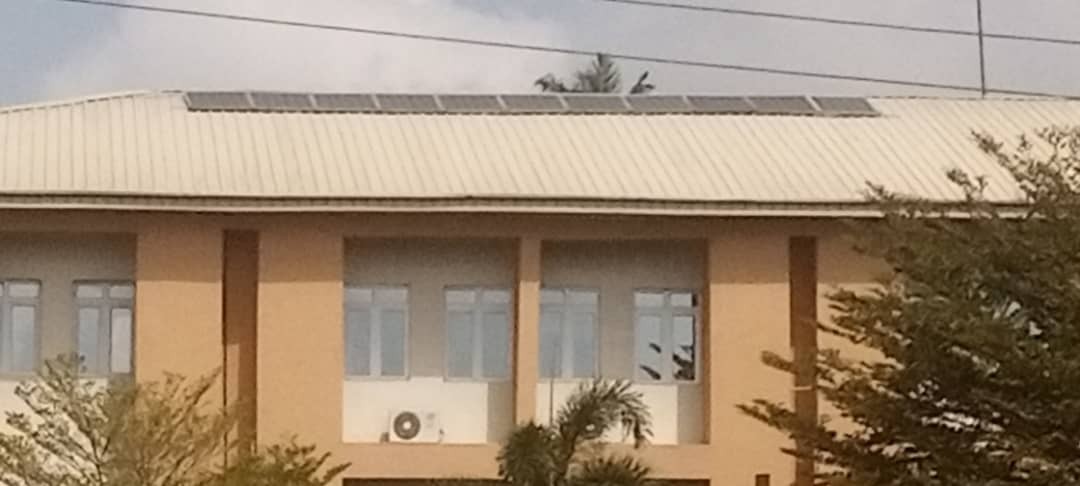
Image Caption: Solar Energy Installation at the Centre for Chemical and Biochemical Research (CCBR)
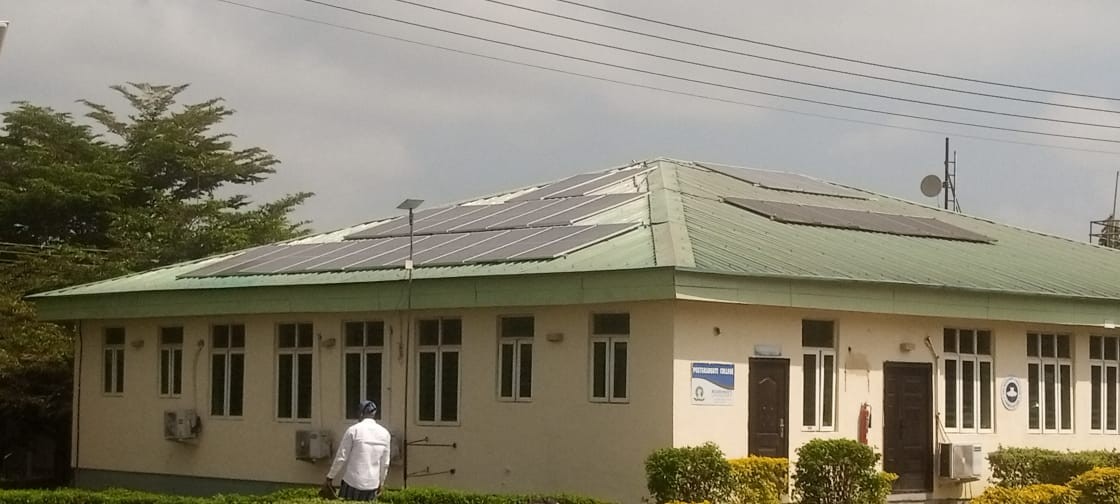
Image Caption: Solar Energy Installation at the Postgraduate School Redeemer’s University
Retrofitting and Modernization
Older buildings across the campus have been retrofitted with energy-efficient lighting, HVAC systems, and smart meters. These upgrades reduce energy wastage and ensure that the university’s infrastructure operates at optimal efficiency.
Monitoring and Reporting
Redeemer’s University conducts ongoing energy monitoring to identify inefficiencies and track progress in reducing carbon emissions. Smart metering systems provide real-time data on energy usage, enabling facilities management to implement timely corrective measures. Annual carbon reports consolidate this data, guiding the university’s long-term sustainability planning.
Campus-Wide Awareness and Engagement
The university recognizes that carbon management requires collective action. Staff and students are regularly engaged through workshops, seminars, and awareness campaigns on sustainable energy practices and climate-conscious behavior. This promotes a culture of environmental responsibility throughout the university community.
Long-Term Strategic Initiatives
Redeemer’s University has embedded carbon reduction into its long-term planning. Future projects and building designs prioritize renewable energy integration, energy-efficient systems, and low-carbon operations. The university continuously explores innovative technologies and partnerships to expand its sustainability footprint.
Conclusion
Through a combination of energy-efficient infrastructure, renewable energy adoption, monitoring systems, and community engagement, Redeemer’s University is actively reducing its carbon footprint. These measures not only align with SDG 7: Affordable and Clean Energy, but also establish the university as a model for sustainable operations in higher education.
Latest News
-
RUN-two-others-partner-on-empowerment-programme
Published on: October 22, 2024
-
New Study Shows Effective Measures in Poverty Reduction
Published on: October 19, 2024
-
Global Summit Addresses the Future of Sustainable Development
Published on: October 15, 2024